How do I find a manufacturer for my clothing brand?
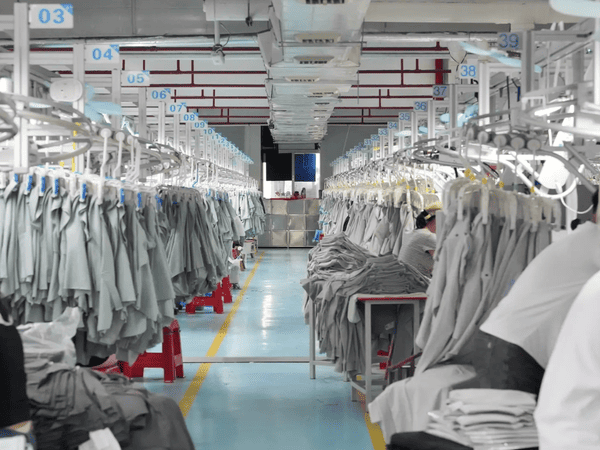
I’ve evaluated hundreds of inquiries from overseas brands at our Dongguan factory, and most fail before we even quote. The problem isn’t that manufacturers are impossible to find — it’s that brands treat factory sourcing like shopping for the cheapest supplier instead of finding the right production partner. When a brand sends me a Pinterest board and asks “how much per piece?”, I know they’ll waste months getting ghosted by factories or receiving samples that look nothing like their vision.
Finding a clothing manufacturer is a matching problem, not a search problem. The factory you need depends on your design complexity, order quantities, and production timeline — not which supplier ranks first on Alibaba. Factories filter inquiries by preparedness: unclear designs, unrealistic MOQ expectations, or missing technical specifications trigger either rejection or inflated quotes. Small brands get serious responses by signaling compatibility through design clarity, realistic quantity planning, and asking factory-type-specific questions that prove they understand manufacturing constraints.
Most brands discover this the hard way after their third sample round fails or their first production run arrives completely wrong. I’m going to show you how factories actually evaluate inquiries, what makes them say yes to small orders, and how to position yourself as the type of client manufacturers want to work with — even if you’re placing your first order.
What type of clothing manufacturer do I actually need?
Sending the same inquiry to every factory type is like asking a pizza restaurant to cater your wedding. Factories specialize, and those specializations create hard constraints on what they can produce well.
You need to match your product category and complexity level to a factory’s core competency before comparing prices or capabilities. A knit-focused factory physically cannot produce woven structured blazers at quality, and a fast-fashion facility cannot handle complex draping or hand-finishing details.
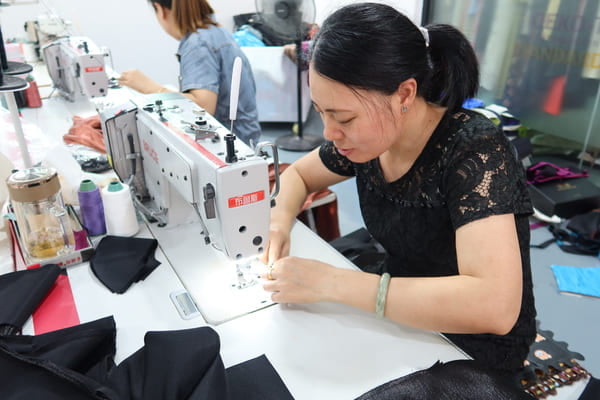
Manufacturing categories split along fabric construction (knit vs. woven), garment complexity (basic vs. technical), and production model (sampling-heavy custom vs. bulk repeats). When a brand brings me a design that requires pattern-making expertise we don’t have, I tell them immediately — but many factories will accept the order, produce poorly, and blame the brand’s specifications.
Knit vs. woven manufacturing capabilities
Knit factories run circular or flat knitting machines and handle jersey, rib, fleece, and interlock fabrics. We cut and sew using stretch-capable equipment with differential feed mechanisms. Our strength is comfortable, body-conforming garments: t-shirts, dresses, leggings, activewear, and casual knit tops.
Woven factories work with non-stretch fabrics like cotton poplin, twill, denim, and polyester blends. They use different cutting tables, sewing machines, and pressing equipment. Their strength is structured garments: button-down shirts, tailored pants, jackets, and formal wear.
The equipment difference isn’t minor. Our knit machines tension fabric differently during sewing to prevent wavy hems. Woven factories use edge-finishing techniques we don’t have. When a brand sends me a design mixing knit bodices with woven sleeves, I can produce it, but the cost doubles because I’m outsourcing half the garment.
Fast-turn fashion vs. bulk production models
Fast-turn factories specialize in small batches with quick sampling. They keep diverse fabric stock, run flexible production lines, and can start orders of 100–300 pieces per style. These factories cost more per unit but respond faster and accommodate frequent design changes.
Bulk production factories optimize for volume efficiency. They negotiate fabric minimums of 1000+ meters, run single-style production lines for days, and achieve lower per-piece costs at quantities of 500+ units per color. They’re slow to sample and resist mid-production changes.
I’ve watched brands choose fast-turn factories for their first order, get good service, then complain about high costs when scaling. The reverse happens too: brands choose bulk factories for test orders, get quoted 1000-piece minimums, and think all manufacturing is inaccessible. Neither factory was wrong — the brand chose the wrong production model for their stage.
Specialty vs. general manufacturing focus
Specialty factories build expertise in specific categories: activewear with compression fabrics, modest Muslim wear with long draping silhouettes, technical outerwear with waterproof seaming, or luxury garments with hand-finishing. Their equipment, pattern-makers, and quality standards align with that category’s requirements.
General factories produce across multiple categories but lack deep expertise in any. They’re suitable for basic designs without technical challenges: simple dresses, standard tops, or casual pants. They struggle with specialty requirements like bonded seams, undergarment construction, or complex multi-panel patterns.
In our facility, we focus on women’s fashion knits and modest wear with draping. When brands send swimwear inquiries, I refer them elsewhere — we don’t have chlorine-resistant thread or specialty elastic application equipment. A general factory might accept that order and deliver substandard results.
| Factory Type | Best For | Typical MOQ | Sampling Speed | Unit Cost |
|---|---|---|---|---|
| Knit Specialist | T-shirts, dresses, activewear, casual knits | 200-500 pcs | 2-3 weeks | Medium |
| Woven Specialist | Shirts, pants, jackets, structured garments | 300-800 pcs | 3-4 weeks | Medium |
| Fast-Turn Fashion | Test orders, frequent design changes, small batches | 100-300 pcs | 1-2 weeks | High |
| Bulk Production | Repeating styles, cost optimization, large quantities | 1000+ pcs | 4-6 weeks | Low |
| Specialty (Modest, Athletic, Technical) | Category-specific complex designs | 300-600 pcs | 2-4 weeks | Medium-High |
| General Manufacturing | Basic designs, multiple categories, budget production | 500-1000 pcs | 3-5 weeks | Low-Medium |
How do I prepare an inquiry that actually gets responses?
Factories receive dozens of inquiries weekly. We respond seriously to maybe one in ten. The difference isn’t order size — I’ve taken 200-piece orders from prepared brands and ignored 2000-piece inquiries from unprepared ones.
Manufacturer responsiveness depends on inquiry completeness: design clarity, fabric specifications, realistic quantity ranges, and timeline expectations. Brands that send “interested in production, please quote” get templated responses or silence. Brands that demonstrate they understand manufacturing constraints get detailed capabilities discussions and honest pricing.
The goal isn’t to have everything perfect — it’s to signal that you’re serious enough to have thought through basic production requirements. When I see an inquiry with clear design references, approximate fabric preferences, and quantity ranges instead of single numbers, I know this brand has researched manufacturing and is worth my time.
Design clarity: references vs. vague descriptions
“I want a modest dress” tells me nothing. “I want a flowy maxi dress with long sleeves and a modest neckline, similar to this reference image, in jersey knit fabric” tells me whether we’re compatible.
I need to see either reference images (photos of existing products that match your vision), technical sketches (flat drawings showing construction details), or tech packs (full specification documents). Without visual references, I’m guessing at your expectations, and when samples arrive wrong, both sides blame the other.
Reference images should show the silhouette, key design features, and fabric drape. If you’re combining elements from multiple references, tell me explicitly: “Neckline from Reference A, sleeve style from Reference B, length from Reference C.” Mystery disappears.
I can work with brands who have ideas but lack design skills — as long as they acknowledge it. “I want something like these three dresses but I’m not sure how to describe the differences” leads to a productive conversation. “Make it look good” wastes both our time.
Fabric specifications: knowing enough to have a conversation
You don’t need to specify thread counts and dye lots in your first inquiry. You do need to indicate fabric category (knit vs. woven), weight preference (lightweight, medium, heavy), and any functional requirements (stretch, opacity, drape).
“Cotton jersey, medium weight, good drape” works. “Comfortable fabric” doesn’t. I can source materials if you give me a direction. I can’t read your mind about what “comfortable” means.
If you have physical fabric samples or swatches, mention it. If you’ve bought retail garments in fabrics you like, tell me the brand and item — I can often identify similar materials. If you have no idea about fabrics, say that too, and describe how the final garment should feel and move.
Manufacturers respect honesty about knowledge gaps more than vague technical-sounding language. “I don’t know fabric specifications but I want something that flows like this video” leads to useful dialogue. Misusing terms like “breathable” or “moisture-wicking” when you just mean “not too hot” creates confusion.
Realistic MOQ expectations and growth signals
Minimum Order Quantities exist because of fabric purchasing, production setup costs, and quality control feasibility. Factories can’t profitably produce 50 pieces of a custom design — the setup time alone costs more than the production revenue.
In your inquiry, state a quantity range, not a single number: “I’m starting with 200-300 pieces for my first collection but plan to reorder 500+ pieces of successful styles within six months.” This tells me you understand manufacturing economics and have growth intent.
If you genuinely need a 100-piece test order, say so explicitly and ask if the factory works with startups on first-time small runs. Some factories (including ours, occasionally) will accept below-MOQ orders at higher per-piece costs for brands showing seriousness. Most won’t, but asking directly is better than hiding your quantity and getting quoted for minimums you can’t afford.
Never say “I need 50 pieces now but will order 10,000 next year.” Every factory has heard this. It’s a red flag, not an incentive. If you’re genuinely planning growth, explain your sales channel, test market strategy, and reorder timeline with specifics.
Timeline expectations that match production reality
“Need samples in one week for a photoshoot” tells me you don’t understand manufacturing. “Planning a launch in three months, hoping to receive samples within 3-4 weeks for approval, then start production” tells me you’ve thought through lead times.
Typical timelines for small-batch custom manufacturing:
- Fabric sourcing: 1-2 weeks (stock fabrics) to 4-6 weeks (custom dyeing/printing)
- Pattern making: 1-2 weeks for simple styles, 2-3 weeks for complex designs
- First samples: 1-2 weeks after patterns are finalized
- Sample revisions: 1 week per round (plan for 1-2 revision rounds)
- Production: 2-4 weeks depending on quantity and complexity
- Quality control and shipping: 1-2 weeks
In your inquiry, provide your target completion date and ask if it’s realistic. “I need these by November for holiday sales — is that achievable with a July start?” shows planning. “I need this ASAP” shows panic.
How do I evaluate if a manufacturer is actually compatible?
Price quotes and facility photos don’t reveal compatibility. You need to assess whether a factory’s existing capabilities, client profile, and production model match your project requirements.
Manufacturer compatibility shows through their current product portfolio, existing client size ranges, and ability to articulate why they’d take your project. Factories that already produce styles similar to yours in complexity and volume are exponentially more likely to deliver quality results than factories offering the lowest price.
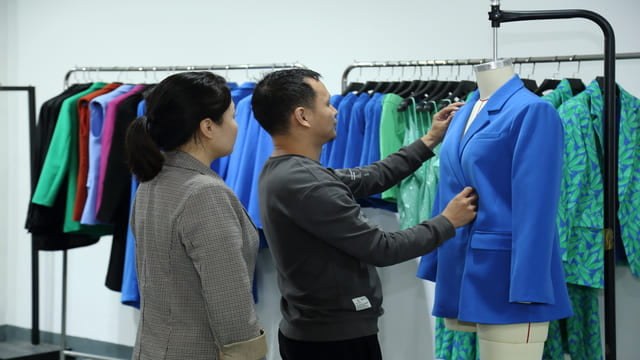
This is where most brands fail. They collect quotes, compare prices, and choose the cheapest option — then act surprised when quality suffers or communication breaks down. The factory wasn’t incompetent; it was incompatible. They took your money knowing they couldn’t deliver what you needed.
Current product portfolio tells you capability boundaries
Ask any manufacturer you’re evaluating: “Can you show me examples of garments you’ve produced that are similar to my design in complexity and style?” Their answer reveals everything.
If they show you garments that match your category, construction techniques, and detail level, they can produce what you want. If they show you basic styles when you need complex construction, or claim they “can definitely do it” without showing evidence, you’re taking a gamble.
I show hesitant brands our previous modest wear collections, draped jersey dresses, and multi-panel knit construction samples. Not because I’m proud of them (though I am), but because seeing similar completed work is the only real proof of capability.
Red flags in portfolio review: factories that claim they “do everything” but show limited style diversity, facilities that show only basic garments when you need technical construction, or manufacturers who can’t or won’t show recent production examples.
Client size ranges indicate your priority level
Factories optimize for certain order quantities. If their typical clients order 5000+ pieces and you’re placing 300, you’ll be low priority. If their typical clients order 100-200 pieces and you’re at 500, you’ll get excellent service.
Ask: “What’s your typical order quantity range for new clients? What size are most of your repeat orders?” Compare their answer to your planned volumes.
I tell small brands honestly when they’re below our typical range. Sometimes we’ll work with them anyway if the design fits our specialty (modest wear or unique knits). Sometimes I refer them to a better-matched factory. Either response helps them more than accepting their order and deprioritizing it.
You want to be in a factory’s sweet spot: not so small that you’re annoying, not so large that you’re demanding capabilities they don’t have. Middle-range clients at any factory size tend to get the best quality-to-cost ratio and the most responsive communication.
The factory’s explanation of fit matters more than their sales pitch
The best compatibility signal: a factory explains why they want your project and what challenges they foresee.
“Yes, we can do everything!” is a sales pitch. “This design suits our draping expertise, and we recently completed a similar project. The main challenge will be fabric sourcing for that specific texture, which will add 1-2 weeks to the timeline” is a compatibility signal.
I have actual conversations with brands about whether we’re a good fit. Sometimes I tell them we’re not. When a brand recently inquired about structured woven jackets, I explained that we focus on knits and referred them to a woven specialist. That brand thanked me for saving them time.
During initial conversations, notice whether the factory:
- Asks detailed questions about your design specifics and target market
- Identifies potential challenges or suggests modifications for manufacturability
- Explains their capabilities’ boundaries honestly
- Discusses why their facility specifically makes sense for your project
Avoid factories that agree to everything without asking clarifying questions, promise unrealistic timelines or prices without seeing full specifications, or pressure you to commit before answering your questions.
| Compatibility Signal | What It Reveals | Red Flag Version |
|---|---|---|
| Shows similar completed work | Proven capability in your style category | “We can do anything” with no relevant examples |
| Discusses typical client order sizes | You’ll receive appropriate service priority | Avoids discussing typical quantities |
| Explains specific challenges for your design | Deep understanding of production requirements | “No problem” to everything without analysis |
| Asks detailed questions about specifications | Takes your project seriously | Provides quotes before understanding requirements |
| Identifies where they’re not a fit | Honest about limitations | Claims universal expertise across all categories |
| Discusses lead time components realistically | Understands actual production steps | Promises fastest timelines without seeing specs |
How do I approach manufacturers without production history?
Every brand’s first order is their first order. The lack of history isn’t the barrier — appearing unreliable or unprepared is.
New brands get manufacturer attention by demonstrating professional preparedness: complete design documentation, realistic planning, acknowledgment of manufacturing constraints, and evidence of business seriousness beyond just production inquiry. Factories assess risk based on preparedness signals, not order history.
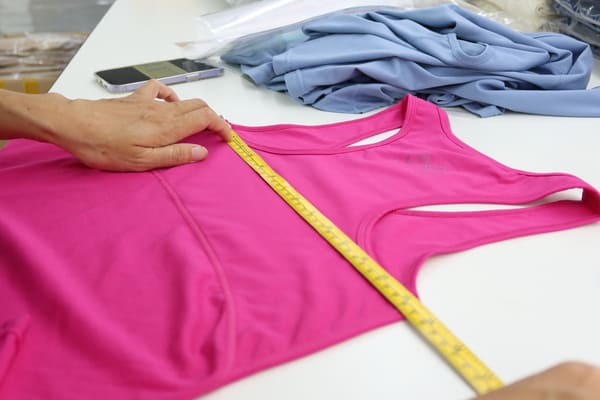
I’ve worked with first-time brand founders who got excellent service because they arrived prepared. I’ve ignored inquiries from established brands who acted entitled or unprofessional. Your approach matters more than your history.
Preparedness signals that build manufacturer confidence
Complete documentation package: Present design references, approximate fabric descriptions, realistic quantity ranges, and clear timeline expectations in your first inquiry. This single action puts you ahead of 80% of inquiries.
Professional communication: Use clear, specific language. Structure your emails with sections (Design Overview, Quantities, Timeline, Questions). Respond to factory questions within 24-48 hours. These behaviors signal reliability.
Acknowledgment of constraints: Phrases like “I understand MOQ requirements” or “I’m flexible on fabric choice if it helps reduce costs” tell me you’ve researched manufacturing and respect production realities.
Website or brand overview: Include a link to your website, Instagram, or brand deck. I don’t need a polished corporate site — I want to see that you’re building something real beyond a single order.
Growth plan mention: “Starting with one design to test the market, then expanding to a full collection within six months” gives context. You’re not asking me to gamble on a one-time hobby project.
Offering to pay for proper sampling demonstrates commitment
Factories lose money on sample rounds for inquiries that never place order